



Product Detail
Product Parameter
Overview
Silicon carbide has remarkable instability in a high-temperature oxidation atmosphere, especially above 1627°C. In converter and electric-furnace smelting of plain carbon steel and certain low-alloy steels, SiC can replace ferrosilicon and carburizing agents for deoxidation, heating, silicon enrichment and carburizing — reducing steelmaking cost.
Key Specifications
| SiC | F.C | H₂O | Granularity |
|---|---|---|---|
| 90%–95% | 1%–2% | <0.5% | 0-10 / 1-5 / 1-10 / 0-1 / 0-5 / 0-50 / 0-100 mm |
| 80%–85% | <5% | <0.5% | |
| 70%–75% | <6% | <0.5% | |
| 60%–65% | <15% | <0.5% | |
| 40%–50% | <30% | <0.5% | 0-10 / 1-5 / 1-10 mm |
Benefits
- Replaces ferrosilicon and carburizer, with reduced FeAlSi usage — saving approx. ¥6–10 per ton of steel.
- Stable recovery of effective elements when smelting plain carbon, special and low-alloy steels.
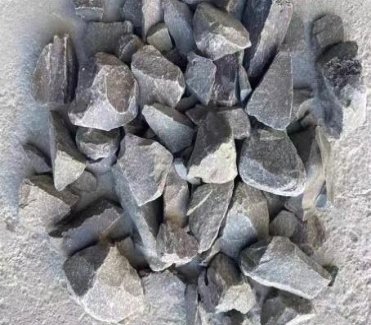
- Most-used grades: 80%–95% SiC; particle sizes 0-10, 0-5, 1-3, 1-5 mm (1-5 mm is the most used in foundries).
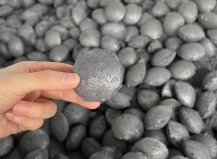
SiC Ball — Selection Guide
Used for deoxidation, temperature raising and alloying. Large steelworks (80–120 t ladle) prefer 5–6 cm balls; small medium-frequency furnaces and cupolas prefer 3–10 mm. Typical dosage 1.5–8 kg/ton of steel.